








Eukaryotic Cells
In nature, the relationship between form and function is apparent at all levels, including the level of the cell, and this will become clear as we explore eukaryotic cells. The principle “form follows function” is found in many contexts. It means that, in general, one can deduce the function of a structure by looking at its form, because the two are matched. For example, birds and fish have streamlined bodies that allow them to move quickly through the medium in which they live, be it air or water.
Prokaryotic Cells
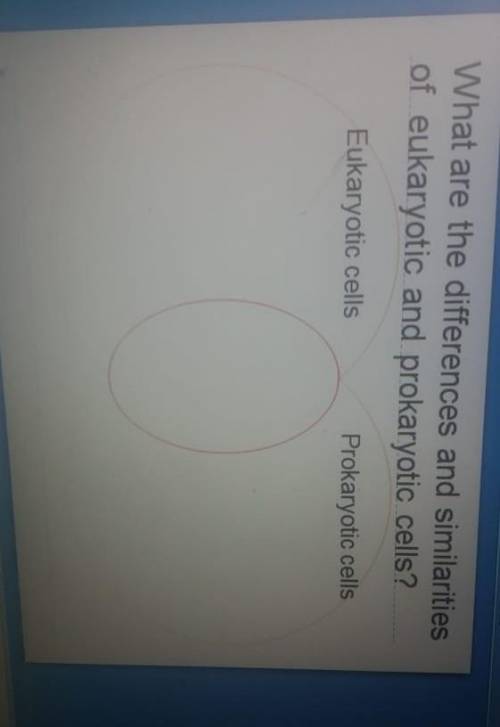
A prokaryotic cell is a simple, single-celled (unicellular) organism that lacks a nucleus, or any other membrane-bound organelle. We will shortly come to see that this is significantly different in eukaryotes. Prokaryotic DNA is found in the central part of the cell: a darkened region called the nucleoid